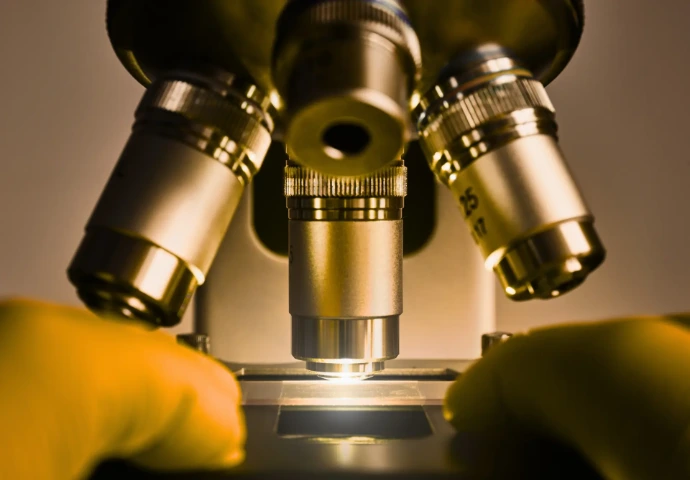
Exploring Microscopes and Their Applications
Microscopes are essential tools for observing structures that cannot be seen with the naked eye.
From cells and tissues to materials and microorganisms, microscopes reveal intricate details that drive understanding and discovery across science, education, and clinical practice.
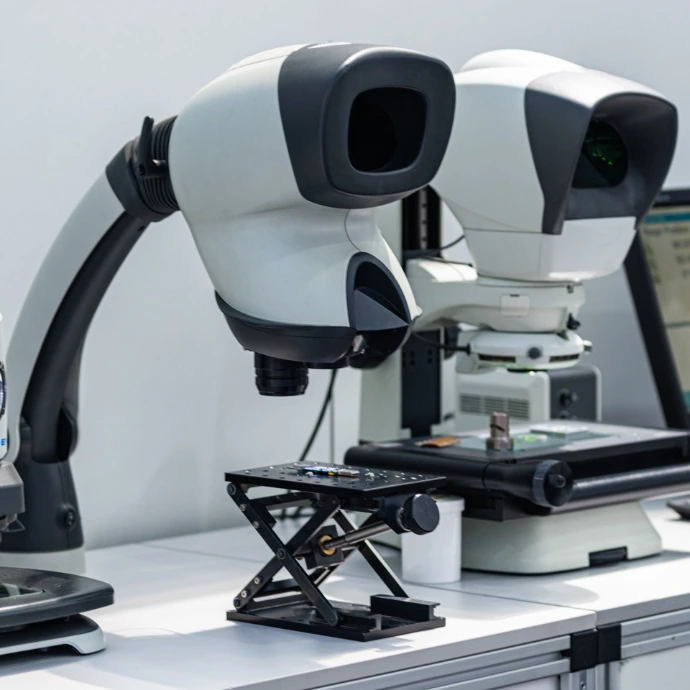
Types of Microscopes
Different microscopes are designed to meet varied scientific and educational needs:
Surgical Microscopes and Dental Microscopes: Provide precision and clarity for delicate procedures.
Colposcopes, Video Colposcopes, and Digital Colposcopes: Allow detailed tissue examination and documentation.
Research Microscopes: Support laboratory studies and scientific experiments.
Student Microscopes: Facilitate hands-on learning and exploration in classrooms and laboratories.
Stereo Microscopes: Offer three-dimensional views for dissection, inspection, and material analysis.
Microscopy Techniques
Modern microscopy combines optical precision, illumination methods, and imaging systems. Techniques such as brightfield, phase contrast, fluorescence, and digital imaging allow users to capture and analyze fine details with clarity and accuracy.
Scientific Applications
Microscopy is used in a variety of fields, including:
Life Sciences and Biology: Studying cells, tissues, and microorganisms.
Medical and Clinical Research: Observing structures for diagnostics and research.
Materials Science and Engineering: Analyzing surfaces, polymers, and nanostructures.
Education: Enhancing learning through direct observation and experimentation.
Innovation and Discovery
Advances in microscopy including high-resolution imaging, live-cell observation, and 3D visualization continue to expand the boundaries of scientific understanding. Mastery of microscopy enables deeper insights, fosters exploration, and supports research, education, and innovation.