Technical Scientific Company Microscopes
TSCMicroscopies
Welcome to the World of Microscopy


Microscopy is the science of exploring structures that cannot be seen with the naked eye.
By magnifying cells, tissues, microorganisms, and materials, microscopes allow us to uncover details essential for understanding life, materials, and natural phenomena.
They serve as fundamental tools for research, education, and industry, helping scientists and students observe the building blocks of our world. With the right techniques, microscopes reveal patterns, structures, and processes that drive innovation across science and technology.
How Microscopes Work?
At their core, microscopes are precision instruments that combine lenses, light, and sometimes digital systems to magnify and clarify tiny structures
Lenses and Objectives: These focus and enlarge images while maintaining clarity and accuracy
Illumination: Different lighting methods, such as brightfield, darkfield, and fluorescence, reveal different sample features
Focusing Systems: Proper focusing ensures details are sharp and reliable for analysis
Digital Integration: Many modern microscopes connect to cameras and software, allowing images to be captured, measured, and analyzed with ease
Microscopes transform observation into insight, turning small details into meaningful data that can be used in research, education, and diagnostics.

Types of Microscopy
Different scientific challenges require different microscopes:
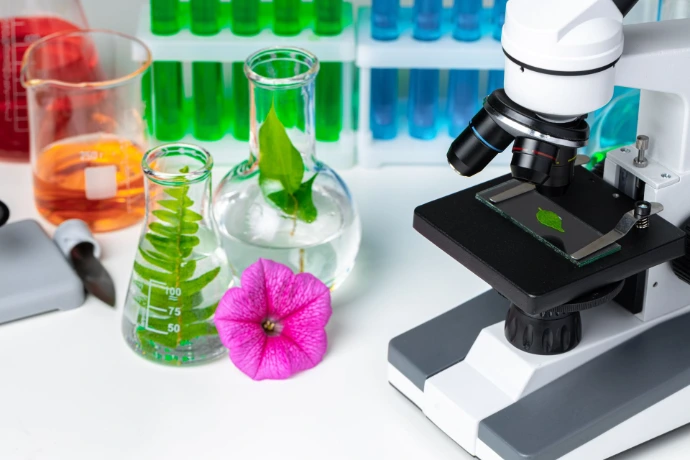
Optical (Light) Microscopes: Widely used in biology and education to observe cells and tissues.
Stereo Microscopes: Provide a three-dimensional view, perfect for dissection, inspection, or materials analysis.
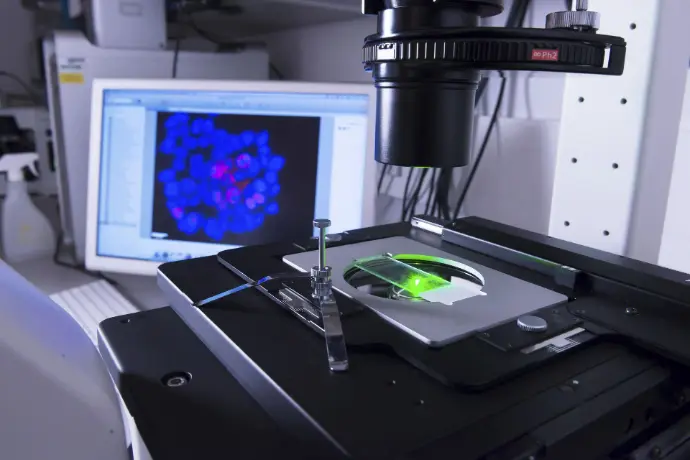
Fluorescence Microscopes: Highlight specific molecules or structures using fluorescent dyes or proteins.
Digital Microscopes: Combine optics and cameras for imaging, measurement, and documentation in research or teaching.
Each type of microscope offers unique advantages, allowing scientists to select the right tool for the questions they aim to answer


Applications Across Fields
Microscopy is essential in multiple domains:
Life Sciences & Biology: Understanding cells, bacteria, and tissues
Medicine & Diagnostics: Identifying pathogens, analyzing samples, and supporting research
Materials Science & Engineering: Studying metals, polymers, nanostructures, and surfaces
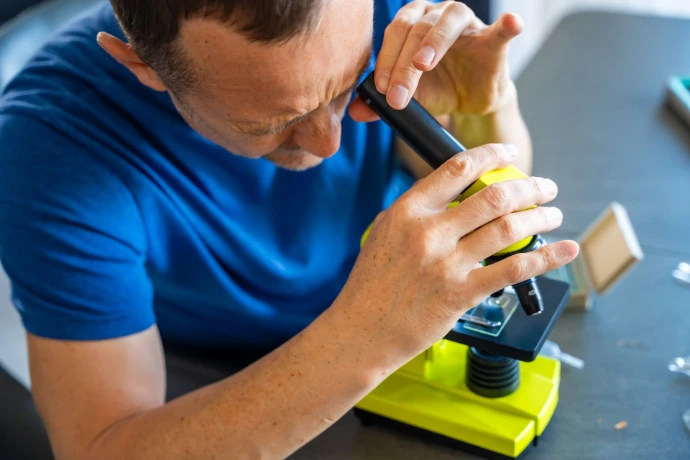
Education: Providing hands-on learning experiences for students of all levels
From teaching labs to advanced research centers, microscopy enables discoveries that impact health, technology, and knowledge.


Key Principles for Effective Microscopy
To obtain accurate observations, several core principles must be understood:
Proper alignment of lenses and objectives to prevent distortion
Choosing the right illumination and contrast settings for the sample
Understanding the limits of magnification and resolution
Regular maintenance and calibration to ensure reliability.
Mastering these fundamentals ensures microscopes provide clear, precise, and reproducible results.
Explore Imaging Techniques
Microscopy is not only about magnification but also about how samples are visualized.
Techniques include:
Brightfield: Standard method for observing stained or natural samples
Darkfield: Enhances contrast in transparent samples
Phase Contrast: Reveals internal structures in living cells without staining
Fluorescence: Detects specific molecules, proteins, or structures using fluorescent markers
Digital Imaging: Captures, measures, and shares images with software tools
Each technique provides a different perspective, allowing researchers to extract detailed information from their samples.
Innovations in Microscopy
Modern microscopes are evolving rapidly.
High-speed cameras, live-cell imaging, 3D reconstruction, and AI-assisted analysis enable scientists to study dynamic processes in real time.
Integration with digital software allows measurements, comparisons, and image processing with unprecedented precision.
These innovations make microscopy not just a tool for observation, but a platform for discovery and scientific creativity.

Choosing the Right Microscope
Selecting the right microscope depends on your goals and applications:
Education: Optical or stereo microscopes for hands-on learning.
Research: High-resolution, phase contrast, or fluorescence systems for detailed analysis.
Industrial or Material Studies: Stereo or digital microscopes for inspection, quality control, or documentation.
Understanding the intended use ensures better observations, accurate results, and efficient workflow.
Microscope Maintenance & Care
Proper care extends the life of microscopes and ensures reliable performance:
Clean lenses and objectives carefully to avoid scratches
Protect instruments from dust, moisture, and direct sunlight
Handle delicate components, including lenses and stages, with care
Regularly calibrate and service to maintain accuracy
Routine maintenance preserves image quality and maximizes the microscope’s lifespan.
Applications in Imaging
Imaging techniques enhance the microscope’s capabilities:
Static Imaging: Captures single observations for analysis.
Time-Lapse Imaging: Studies dynamic processes, such as cell division or material reactions.
3D Imaging: Combines multiple planes to provide a three-dimensional view.
Quantitative Analysis: Measures structures, distances, and intensities using software tools.
These approaches transform microscopy from observation into quantitative, reproducible scientific data.
The Impact of Microscopy
Microscopy drives discovery across science and technology.
It enables breakthroughs in biology, medicine, materials science, and education.
By allowing detailed observation of the micro- and nano-world, microscopes help scientists:
Understand disease mechanisms
Develop new material
Explore cellular and molecular processes
Inspire curiosity and learning in students
Microscopy is a gateway to understanding the world at a scale invisible to the naked eye.
Learn
Observe
Discover
Microscopy empowers scientists, students, and educators to explore, analyze, and innovate.
A strong foundation in microscopy provides the skills to see what others cannot, ask new questions, and make discoveries that advance science.
Learning the principles, techniques, and applications of microscopy opens doors to creativity, knowledge, and scientific progress.

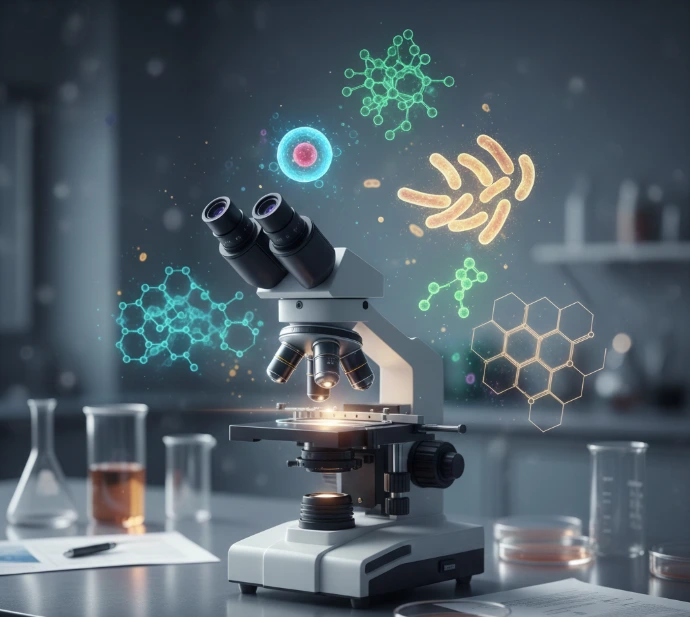
Microscopy combines optical principles, imaging methods, and analytical approaches to reveal structures beyond natural vision.
A solid understanding of these elements contributes to reliable observation, informed experimentation, and advances across scientific disciplines.
Request Scientific Information
Looking for clear, reliable information about microscopy technologies, imaging systems, or scientific workflows? Submit your request and receive accurate, research-oriented guidance.